
2026 Range Rover Sport: How Does the Air Suspension Work?
The Range Rover Sport uses an electronically controlled air suspension system that continuously adjusts ride height and suspension characteristics to suit changing driving conditions. Instead of conventional steel coil springs, the system uses air springs supplied by an electric compressor and managed by multiple electronic control modules. Together with adaptive dampers, ride height sensors, and the Terrain Response® system, the suspension automatically balances ride comfort, handling stability, aerodynamic efficiency, and off-road capability.
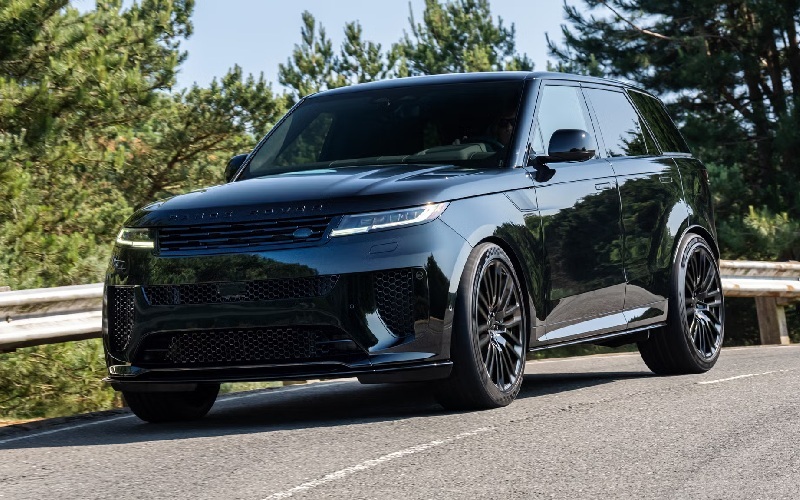
The air suspension can raise the vehicle to increase ground clearance for uneven terrain, lower it to improve highway efficiency and ease of entry, and continuously compensate for passenger or cargo weight. These adjustments occur automatically or through driver-selected modes while maintaining the vehicle's intended ride quality.
Range Rover Sport Suspension System
Air Suspension Overview
The Range Rover Sport is built on Land Rover's advanced chassis architecture, where the air suspension is integrated with numerous vehicle systems rather than functioning as an isolated mechanical component.
The system consists of:
air springs
electric air compressor
compressed air reservoir
ride height sensors
adaptive dampers
electronic suspension control module
valve block assemblies
Terrain Response® integration
These components communicate continuously to adjust suspension height and damping according to vehicle speed, terrain, steering input, loading conditions, and selected drive mode. Unlike conventional suspension systems that operate with fixed ride height, the Range Rover Sport dynamically modifies suspension position throughout normal driving.
Air Springs
Air springs replace traditional steel coil springs at each wheel. Each air spring contains a reinforced flexible air chamber capable of supporting vehicle weight through compressed air pressure. By increasing or decreasing internal air pressure, the system changes ride height without replacing mechanical components.
The air springs perform several functions:
supporting vehicle weight
absorbing road irregularities
maintaining ride height
compensating for changing vehicle loads
improving off-road clearance
Because pressure is adjusted electronically, the suspension can respond more precisely than a conventional fixed-rate spring system.
Electric Compressor
The compressor supplies compressed air for the suspension. When the electronic control system determines that ride height must increase, the compressor generates pressurized air and directs it into the appropriate air springs. The compressor operates automatically according to commands from the suspension control module.
Depending on vehicle conditions, it may:
raise the entire vehicle
adjust one axle
compensate for cargo weight
restore normal ride height after parking
The compressor also replenishes the air reservoir used for rapid suspension adjustments.
Ride Height Sensors
Each wheel is monitored by ride height sensors. These sensors continuously measure the position of the suspension relative to the body.
Information from the sensors allows the control module to determine:
current ride height
suspension movement
body attitude
load distribution
The electronic control system evaluates this information many times each second. If measured ride height differs from the target value, the suspension automatically adjusts air pressure to restore the desired position.
Component Breakdown
Adaptive Damping
The Range Rover Sport combines air springs with electronically controlled adaptive dampers. While the air springs determine ride height and spring characteristics, the dampers control suspension movement.
Adaptive damping continuously adjusts shock absorber resistance according to:
vehicle speed
steering angle
braking
acceleration
road surface
selected drive mode
The result is a suspension system capable of balancing ride comfort with body control under changing driving conditions.
Electronic Suspension Control
The Electronic Air Suspension control module coordinates all suspension functions.
It receives information from numerous vehicle systems including:
ride height sensors
steering sensors
wheel speed sensors
brake system
Terrain Response®
stability control
vehicle load monitoring
Using this information, the module determines:
target ride height
damper calibration
compressor operation
valve control
suspension response
These calculations occur continuously while the vehicle is operating.
Terrain Response® Integration
One feature that distinguishes the Range Rover Sport from many other luxury SUVs is the close integration between the air suspension and Terrain Response®. When the driver selects a terrain program, the suspension automatically adjusts to support the selected surface.
Examples include:
Grass/Gravel/Snow
Mud and Ruts
Sand
Rock Crawl where equipped
Depending on the selected mode, the suspension may:
increase ground clearance
alter damping characteristics
modify body movement
coordinate with traction management
These adjustments occur without requiring separate suspension controls.
Ride Height Adjustment
The air suspension supports several operating heights.
Access Height
When entering or exiting the vehicle, the suspension can lower the body to improve accessibility. Lower entry height makes stepping into the cabin easier while also simplifying cargo loading.
Normal Ride Height
During everyday driving, the suspension maintains its standard operating position.
This height provides an effective balance between:
ride comfort
suspension travel
handling
ground clearance
The control system automatically compensates for passenger or cargo weight to preserve this ride height.
Off-Road Height
When additional clearance is required, the suspension raises the vehicle.
This additional height improves:
approach angle
departure angle
breakover angle
obstacle clearance
The higher suspension setting is intended for lower-speed off-road operation.
Highway Lowering
At sustained highway speeds, the Range Rover Sport automatically lowers its ride height.
Lowering the body reduces:
aerodynamic drag
body movement
centre of gravity
This contributes to:
improved directional stability
enhanced ride refinement
greater aerodynamic efficiency
The transition occurs automatically without driver input.
Off-Road Lift Modes
When Terrain Response® determines additional clearance is required—or when selected by the driver—the suspension enters elevated ride height modes.
These modes increase ground clearance for:
rocky terrain
deep snow
uneven trails
water crossings within specified limits
The electronic control system continuously monitors suspension travel to maintain stability while maximizing available clearance.
Cold Weather Considerations
Cold-Weather Operation
The air suspension is engineered for Canadian winter operation. However, low temperatures influence several operating characteristics.
The system continuously monitors:
compressor operation
air pressure
suspension height
sensor inputs
Cold temperatures may slightly increase the time required for ride height adjustments as the compressor builds operating pressure. This behaviour is generally considered normal.
Air Spring Performance
The reinforced air springs are designed to remain flexible across a broad operating temperature range. Electronic control continuously compensates for changes in air pressure caused by ambient temperature variations. This allows the suspension to maintain consistent ride height despite seasonal temperature fluctuations.
Snow and Ice Accumulation
Accumulated snow and ice around suspension components can temporarily influence suspension movement. Regular removal of packed snow from the wheel wells helps prevent unnecessary mechanical interference.
Road salt also increases the importance of periodic inspection of:
suspension lines
compressor mounts
electrical connectors
ride height sensor linkages
Common Warning Messages
The Range Rover Sport continuously monitors suspension performance.
If abnormal operating conditions are detected, the instrument cluster may display suspension-related messages.
Possible warnings include:
suspension fault
normal height only
vehicle raising slowly
air suspension inactive
ride height restricted
These messages indicate that the control system has identified a condition requiring inspection. In some situations, the suspension may temporarily limit ride height adjustment while maintaining safe vehicle operation.
Maintenance Considerations
Routine maintenance helps preserve suspension performance throughout the vehicle's service life.
Recommended inspections include:
air spring condition
compressor performance
air line inspection
ride height sensor operation
suspension linkage inspection
electronic diagnostic scanning
adaptive damper evaluation
software updates where applicable
Vehicles frequently driven on salted Canadian roads benefit from periodic underbody cleaning to reduce corrosion around suspension components and electrical connectors. Electronic diagnostic testing also allows technicians to verify ride height calibration and monitor compressor operating performance before noticeable symptoms develop.
During scheduled maintenance at Land Rover Richmond, technicians can inspect the complete air suspension system, verify adaptive damping operation, confirm ride height calibration, and evaluate stored diagnostic information using manufacturer-approved equipment. Proper maintenance helps ensure that the air suspension continues delivering the ride comfort, handling precision, and off-road capability that characterize the Range Rover Sport.
2026 Range Rover Sport FAQ
1. Does every 2026 Range Rover Sport use air suspension?
The air suspension system is a defining feature of the lineup, providing electronically controlled ride-height adjustment, adaptive damping integration, and automatic load levelling.
2. Why does the Range Rover Sport lower itself on the highway?
At sustained highway speeds, the air suspension automatically lowers the vehicle to improve aerodynamic efficiency, enhance stability, and reduce body movement.
3. Can the air suspension raise the vehicle for off-road driving?
Yes. The suspension includes elevated ride height modes that increase ground clearance for challenging terrain, deep snow, and uneven surfaces while working together with the Terrain Response® system.
4. Does cold weather affect air suspension operation?
Yes. Low temperatures may slightly increase the time required for ride height adjustments, but the system is engineered to operate in Canadian winter conditions and continuously compensates for temperature-related pressure changes.
5. What warning messages indicate an air suspension problem?
Messages such as "Suspension Fault," "Normal Height Only," "Vehicle Raising Slowly," or "Air Suspension Inactive" indicate that the system has detected an operating issue requiring inspection. Land Rover Richmond can diagnose these conditions using manufacturer-approved diagnostic equipment.
*Disclaimer: Content contained in this post is for informational purposes only and may include features and options from US or internacional models. Please contact the dealership for more information or to confirm vehicle, feature availability.*


