
2026 Range Rover Sport: How Does the Suspension System Work?
Suspension systems play a critical role in how a vehicle handles, rides, and responds to different driving conditions. In a performance-oriented luxury SUV such as the new Range Rover Sport, the suspension must balance comfort, stability, and off-road capability. This requires a combination of advanced mechanical components and electronic control systems working together in real time.
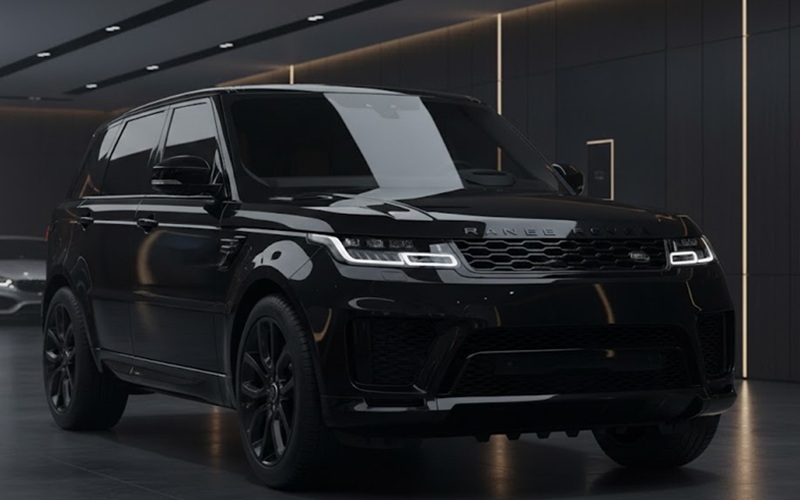
Modern suspension systems are far more complex than traditional spring-and-damper setups. They incorporate adaptive technologies such as air springs, electronically controlled dampers, and active stabilization systems. These features allow the vehicle to adjust ride height, stiffness, and body control depending on speed, terrain, and driver input.
The Range Rover Sport uses an advanced suspension architecture designed to deliver both smooth on-road performance and capable off-road handling. By integrating sensors, control modules, and adjustable components, the system can continuously adapt to changing conditions.
Overview of the Suspension Architecture
The suspension system in the Range Rover Sport is designed to support both on-road performance and off-road versatility.
The system includes:
Air suspension with adjustable ride height
Adaptive dampers
Independent suspension geometry
Electronic control systems
Active stabilization components
These elements work together to absorb road irregularities, maintain tire contact with the surface, and control body movement.
The integration of mechanical and electronic systems allows the suspension to respond dynamically to different driving conditions.
Air Suspension System
Air Springs
Instead of traditional steel coil springs, the Range Rover Sport uses air springs. These components consist of flexible rubber chambers filled with compressed air.
Air springs support the weight of the vehicle and can be adjusted by changing the air pressure inside them.
Increasing air pressure raises the vehicle height, while reducing pressure lowers it.
Ride Height Adjustment
The suspension system can adjust ride height depending on driving conditions.
Common ride height settings include:
Standard height for normal driving
Lowered height for improved aerodynamics at higher speeds
Raised height for off-road conditions
Raising the vehicle increases ground clearance, which helps when driving over uneven terrain.
Lowering the vehicle reduces air resistance and improves stability at higher speeds.
Air Supply and Compressor System
Air Compressor
The air suspension system relies on an electric air compressor to generate compressed air.
The compressor supplies air to the air springs through a network of valves and air lines.
Air Reservoir and Valves
Compressed air is stored in a reservoir, allowing the system to quickly adjust ride height when needed.
Valves control the flow of air into and out of each air spring. These valves are electronically controlled to ensure precise adjustments.
The system can independently adjust each wheel’s suspension to maintain level ride height even when the vehicle is unevenly loaded.
Adaptive Dampers
Damper Function
Dampers, also known as shock absorbers, control suspension movement by resisting motion.
They reduce oscillations caused by bumps or uneven surfaces, ensuring that the vehicle remains stable.
Electronically Controlled Damping
In the Range Rover Sport, dampers are electronically adjustable. Sensors monitor road conditions and driving behaviour, and the control system adjusts damper stiffness accordingly.
For example:
Softer damping improves ride comfort on rough surfaces
Firmer damping enhances handling during cornering or high-speed driving
This continuous adjustment allows the suspension to adapt in real time.
Independent Suspension Geometry
Suspension Layout
The vehicle uses an independent suspension system, meaning each wheel can move independently of the others.
This design improves ride quality and allows the suspension to respond more effectively to uneven surfaces.
Control Arms and Linkages
Control arms connect the wheels to the vehicle frame and allow controlled movement.
These components guide wheel motion and maintain proper alignment during suspension travel.
Proper alignment ensures consistent tire contact with the road, improving traction and handling.
Active Stabilization System
Body Roll Control
When a vehicle turns, it tends to lean toward the outside of the corner. This movement is known as body roll.
The Range Rover Sport uses an active stabilization system to reduce body roll and improve handling.
Electronic Control
Sensors detect lateral forces and vehicle movement during cornering. The system then adjusts stabilizer bars or actuators to counteract body roll.
By reducing body movement, the system helps maintain stability and improves driver control.
Electronic Suspension Control System
Sensor Inputs
The suspension system relies on data from multiple sensors, including:
Wheel speed sensors
Steering angle sensors
Body movement sensors
Acceleration sensors
These sensors provide real-time information about vehicle dynamics.
Control Algorithms
Electronic control units process sensor data and determine how to adjust suspension settings.
The system can modify:
Ride height
Damper stiffness
Stabilization forces
These adjustments occur continuously without driver input.
Terrain Response Integration
Off-Road Adaptation
The suspension system is integrated with terrain management systems that adjust vehicle settings based on surface conditions.
Different modes may be selected for:
Mud
Sand
Snow
Rocky terrain
Each mode adjusts suspension height, damping, and traction control to optimize performance.
Automatic Adjustments
In off-road conditions, the system may raise the vehicle height to increase ground clearance.
It may also soften damping to allow greater wheel articulation over uneven surfaces.
Load Levelling Function
Maintaining Vehicle Balance
The air suspension system can automatically adjust to maintain a level vehicle height when carrying heavy loads.
If additional weight is placed in the rear of the vehicle, the system increases air pressure in the rear air springs to maintain balance.
Benefits
Load levelling improves:
Ride comfort
Handling stability
Headlight alignment
This feature ensures consistent performance regardless of load conditions.
Thermal and Durability Considerations
Component Protection
Suspension components are exposed to environmental conditions such as moisture, dirt, and temperature changes.
Protective materials and seals are used to prevent damage and maintain performance.
System Cooling
Electronic components and compressors generate heat during operation.
Thermal management systems ensure that these components operate within safe temperature ranges.
System Operation Summary
The suspension system in the Range Rover Sport operates as a coordinated network of components and electronic controls.
The process includes:
Sensors detect road conditions and vehicle movement.
Control units process this information.
Air springs adjust ride height.
Dampers adjust stiffness.
Stabilization systems reduce body roll.
This continuous process allows the vehicle to maintain comfort, stability, and control across a wide range of driving environments.
2026 Range Rover Sport FAQ
What type of suspension does the 2026 Range Rover Sport use?
The vehicle uses an air suspension system with adaptive dampers and electronic control systems that adjust ride height and stiffness.
How does air suspension improve ride quality?
Air suspension allows the vehicle to adjust ride height and absorb road irregularities more effectively than traditional springs, improving comfort and stability.
What are adaptive dampers?
Adaptive dampers are electronically controlled shock absorbers that adjust their stiffness based on driving conditions to balance comfort and handling.
Can the suspension adjust for off-road driving?
Yes. The system can raise the vehicle height and adjust damping to improve performance on uneven terrain.
How does the suspension maintain stability during cornering?
Active stabilization systems reduce body roll by adjusting suspension forces, helping the vehicle remain stable during turns.
*Disclaimer: Content contained in this post is for informational purposes only and may include features and options from US or internacional models. Please contact the dealership for more information or to confirm vehicle, feature availability.*


