
2026 Range Rover Sport: What Brake System Does It Use?
The new Range Rover Sport is equipped with an advanced braking system designed to provide consistent stopping performance across a wide range of driving conditions, including high-speed road use and off-road environments. The system integrates hydraulic braking components with electronic control systems to enhance safety, stability, and responsiveness. It also incorporates multiple driver assistance features that rely on precise brake modulation.
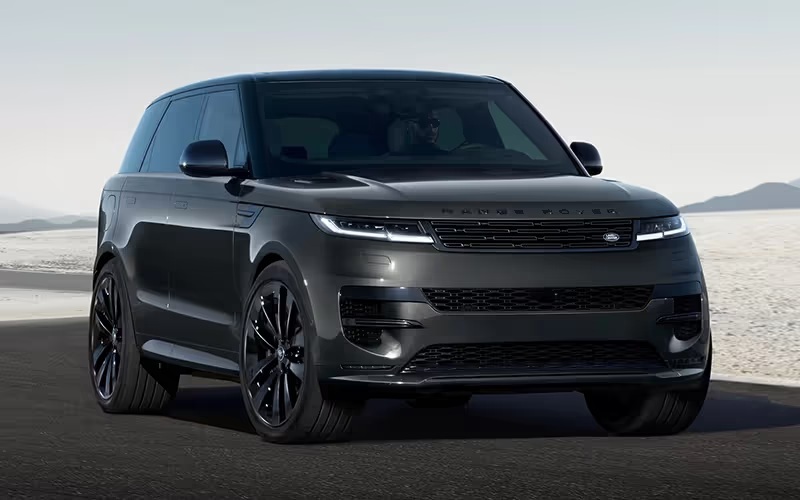
Range Rover Sport Brake System Architecture
The braking system is a combination of mechanical, hydraulic, and electronic subsystems designed to convert kinetic energy into thermal energy while maintaining control and stability.
Core Objectives
Provide reliable deceleration under all conditions
Maintain directional stability
Distribute braking force efficiently
Integrate with safety and driver assistance systems
Hydraulic Brake System
Disc Brake Configuration
The vehicle uses disc brakes on all four wheels.
Components
Brake discs (rotors)
Brake calipers
Brake pads
Brake lines
Ventilated Brake Discs
Ventilated discs are used to improve heat dissipation.
Construction
Internal vanes between disc surfaces
Increased airflow through rotation
Benefits
Reduced brake fade
Improved thermal stability
Enhanced durability
Brake Calipers
Callipers house pistons that press brake pads against the discs.
Types
Fixed multi-piston callipers (in higher-performance configurations)
Floating callipers (in standard configurations)
Brake Pads
Brake pads create friction against the disc surface.
Materials
Composite friction materials
Designed for high-temperature operation
Hydraulic Pressure Generation
Brake Pedal and Master Cylinder
The braking process begins when the driver presses the brake pedal.
Operation
Pedal force is transferred to the master cylinder
Hydraulic pressure is generated and distributed
Brake Booster
A vacuum or electronic brake booster amplifies pedal force.
Function
Reduces driver effort
Ensures consistent pressure application
Electronic Brake Control Systems
Anti-lock Braking System (ABS)
Functionality
Prevents wheel lock during braking.
Components
Wheel speed sensors
Hydraulic modulator
Control module
Operation
Detects wheel deceleration
Modulates brake pressure to maintain traction
Electronic Brakeforce Distribution (EBD)
Purpose
Distributes braking force between front and rear wheels.
Operation
Adjusts pressure based on:
Vehicle load
Weight transfer
Road conditions
Brake Assist System
Function
Detects emergency braking situations and increases braking force.
Detection Criteria
Rapid pedal application
High deceleration demand
Electronic Stability Control (ESC)
Integration with Braking
ESC uses braking to maintain vehicle stability.
Operation
Applies braking to individual wheels
Corrects oversteer or understeer
Advanced Braking Features
Hill Descent Control (HDC)
Function
Maintains controlled speed during steep descents.
Operation
Automatically applies brakes
Maintains low speed without driver input
Auto Hold Function
Purpose
Maintains braking force when the vehicle is stationary.
Operation
Engages after full stop
Releases when accelerator is pressed
Parking Brake System
Electronic Parking Brake (EPB)
The vehicle uses an electronically controlled parking brake.
Components
Electric actuators
Control module
Operation
Engaged via switch
Applies rear brakes automatically
Regenerative Braking (Hybrid Variants)
System Overview
In hybrid configurations, regenerative braking supplements the hydraulic system.
Functionality
Converts kinetic energy into electrical energy
Reduces load on friction brakes
Thermal Management
Heat Generation
Braking converts kinetic energy into heat.
Heat Dissipation
Ventilated discs
Airflow through wheel design
Fade Resistance
Materials and design prevent performance degradation at high temperatures.
Brake System Sensors
Sensor Types
Wheel speed sensors
Brake pressure sensors
Pedal position sensors
Data Usage
Sensors provide real-time data for system control and safety functions.
System Integration
Central Control Units
Brake Control Module
Vehicle Dynamics Control System
Communication Network
Controller Area Network (CAN)
Real-time coordination between systems
Off-Road Braking Considerations
Terrain Adaptation
Braking behaviour is adjusted based on terrain settings.
Low-Traction Surfaces
ABS and traction systems adapt to surfaces such as gravel or mud.
Maintenance and Wear
Wear Components
Brake pads
Brake discs
Brake fluid
Inspection Requirements
Pad thickness measurement
Disc condition
Fluid quality
Technicians may perform diagnostic checks and inspections to ensure system performance.
Safety and Redundancy
Fail-Safe Systems
Dual-circuit hydraulic system
Backup braking capability
Emergency Operation
System ensures braking functionality even if one circuit fails.
Performance Characteristics
Stopping Power
Designed to handle high vehicle mass and speed.
Pedal Feel
Calibrated for consistent response and feedback.
Stability
Integrated systems maintain control under heavy braking.
2026 Range Rover Sport FAQ
What type of brakes does the 2026 Range Rover Sport use?
It uses a four-wheel hydraulic disc braking system with ventilated discs and electronic control systems.
How does ABS improve braking?
ABS prevents wheel lock by modulating brake pressure, allowing the driver to maintain steering control.
What is electronic brakeforce distribution?
EBD adjusts braking force between front and rear wheels to improve stability and efficiency.
Does the vehicle include regenerative braking?
Regenerative braking is available in hybrid variants and works alongside the hydraulic system.
How is brake system performance maintained?
Regular inspection of pads, discs, and fluid, along with diagnostic testing, ensures proper operation.
*Disclaimer: Content contained in this post is for informational purposes only and may include features and options from US or internacional models. Please contact the dealership for more information or to confirm vehicle, feature availability.*


