
2026 Range Rover Sport: What Brake System Does It Use?
The Range Rover Sport uses an electronically integrated hydraulic braking system engineered to provide high-speed braking stability, towing control, off-road braking capability, and precise stopping performance under varying driving conditions. The braking system combines four-wheel disc brakes, anti-lock braking technology, electronic brake-force distribution, stability management systems, regenerative braking integration in hybrid models, and electronically controlled braking assistance systems.
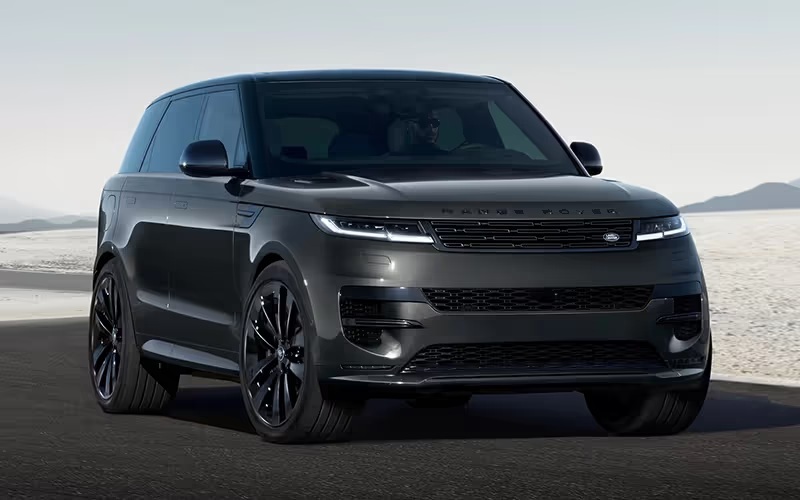
Modern brake architecture in the Range Rover Sport is designed to support both performance-oriented driving and all-terrain capability while maintaining thermal stability, directional control, and braking consistency.
2026 Range Rover Sport Brake System
The brake system in the Range Rover Sport converts kinetic energy into thermal energy through friction between the brake pads and rotors.
The system performs several essential functions:
Reduce vehicle speed
Maintain directional stability
Prevent wheel lockup
Support emergency braking
Improve towing control
Enhance off-road braking performance
Coordinate with driver-assistance systems
Support hybrid energy recovery where applicable
Modern brake systems are electronically integrated with vehicle dynamics control systems and continuously monitored through onboard diagnostics.
Hydraulic Brake System Fundamentals
Hydraulic Pressure Operation
The Range Rover Sport uses a hydraulic braking system that transfers braking force through pressurized brake fluid.
When the driver presses the brake pedal:
Pedal force enters the brake booster.
The master cylinder pressurizes brake fluid.
Hydraulic pressure travels through brake lines.
Brake callipers apply clamping force.
Brake pads contact rotating brake discs.
The resulting friction slows wheel rotation and reduces vehicle speed.
Brake Fluid Characteristics
Brake fluid is essentially incompressible under operating conditions. This allows braking force to transfer efficiently from the brake pedal to the wheel brakes with minimal delay.
Brake fluid must resist:
High temperatures
Moisture contamination
Corrosion formation
Pressure fluctuation
The hydraulic system relies on stable fluid performance for consistent braking behaviour.
Dual-Circuit Brake Design
The braking system uses dual hydraulic circuits for redundancy. If one hydraulic circuit experiences pressure loss, the second circuit can continue providing partial braking capability. This improves operational safety during abnormal conditions.
Front Brake System
Ventilated Front Disc Brakes
The front axle uses large ventilated disc brake assemblies. Front brakes perform most braking work because vehicle weight transfers forward during deceleration.
The front brake system generally includes:
Ventilated brake rotors
High-capacity calipers
Brake pads
Hydraulic pistons
Calliper mounting brackets
Heat-management hardware
Rotor Ventilation Design
Ventilated brake rotors contain internal cooling channels between rotor surfaces.
As the rotor rotates:
Air flows through the internal passages
Heat dissipates more effectively
Rotor temperature remains more stable
This improves brake fade resistance during repeated high-load braking events.
High-Performance Brake Materials
Brake components are engineered to tolerate elevated temperatures generated during:
Highway braking
Mountain descents
Trailer towing
Performance driving
Off-road operation
Heat-resistant materials improve braking consistency and durability.
Rear Brake System
Rear Disc Brake Configuration
The rear axle also uses hydraulic disc brakes.
Rear brakes contribute to:
Vehicle stability
Braking balance
Parking brake functionality
Controlled deceleration
Electronic brake-force distribution systems dynamically regulate rear brake pressure.
Rear Brake Components
The rear braking system typically includes:
Rear brake rotors
Brake calipers
Hydraulic circuits
Parking brake actuators
Wheel-speed sensors
Rear braking performance is coordinated electronically with front brake operation.
Parking Brake Integration
The rear brakes integrate with the electronic parking brake system. Electronic actuators automatically apply and release parking brake force via switch control.
Brake Booster System
Brake Assistance Function
The brake booster amplifies driver pedal input to reduce braking effort.
The Range Rover Sport may use:
Vacuum-assisted brake boosters
Electronic brake boosters
depending on drivetrain and hybrid system configuration.
Vacuum-Assisted Operation
Traditional brake boosters use engine vacuum to assist in generating hydraulic pressure.
As the driver presses the brake pedal:
Pressure differentials inside the booster increase
Additional force assists master cylinder operation
Pedal effort decreases
This improves braking responsiveness and comfort.
Electronic Brake Boosters
Hybrid and advanced braking systems may use electronically controlled brake boosters.
Electronic boosters provide:
Faster pressure response
Improved brake modulation
Regenerative braking coordination
Enhanced autonomous braking integration
Anti-Lock Braking System
ABS Functionality
The Anti-Lock Braking System prevents wheel lockup during heavy braking. Locked wheels reduce steering control and traction. ABS maintains wheel rotation while maximizing braking efficiency.
Wheel-Speed Monitoring
Each wheel contains wheel-speed sensors that monitor rotational speed continuously. The control module compares wheel behaviour and detects rapid deceleration associated with impending wheel lockup.
If wheel lockup is detected:
Hydraulic pressure reduces temporarily
Wheel rotation resumes
Pressure reapplies automatically
This cycle occurs many times per second.
Hydraulic Modulation Unit
The ABS hydraulic control unit contains:
Solenoid valves
Hydraulic pumps
Pressure accumulators
Electronic controllers
These components regulate brake pressure independently at each wheel.
Electronic Brake-Force Distribution
Dynamic Brake Balance
Electronic Brake-Force Distribution dynamically adjusts braking force between the front and rear axles.
Brake distribution changes according to:
Vehicle load
Cargo weight
Passenger distribution
Deceleration rate
Road conditions
Electronic control improves braking stability compared with fixed mechanical proportioning systems.
Cornering Stability Support
During cornering, braking force distribution may also vary between left and right wheels.
This improves:
Vehicle balance
Steering stability
Traction maintenance
Load Compensation
Heavy towing or cargo loading alters vehicle weight distribution significantly. Electronic brake-force distribution compensates automatically for changing load conditions.
Electronic Stability Control Integration
Vehicle Stability Monitoring
The brake system integrates directly with Electronic Stability Control systems.
The system monitors:
Steering angle
Vehicle yaw rate
Lateral acceleration
Wheel speed
Throttle position
If instability occurs, braking force can be applied selectively to individual wheels.
Understeer and Oversteer Management
Brake intervention helps correct:
Understeer
Oversteer
Directional instability
Excessive wheel slip
The system may also reduce engine torque when necessary.
Emergency Maneuver Assistance
Stability systems assist during:
Sudden lane changes
Slippery road conditions
Emergency braking events
Evasive steering maneuvers
Electronic brake intervention improves vehicle control during these conditions.
Regenerative Braking Systems
Hybrid Regenerative Braking
Hybrid and plug-in hybrid Range Rover Sport configurations may use regenerative braking systems.
During deceleration:
Electric motors operate as generators
Vehicle kinetic energy converts into electrical energy
Energy returns to the high-voltage battery
This improves energy efficiency.
Brake Blending Operation
Regenerative braking systems operate together with conventional hydraulic brakes.
The brake control module blends:
Regenerative braking force
Friction braking force
to maintain smooth and predictable braking response.
Energy Recovery Management
The regenerative system adjusts energy recovery according to:
Battery state of charge
Vehicle speed
Brake pedal pressure
Road conditions
Hydraulic braking supplements regenerative braking when additional stopping force is required.
Terrain Response Brake Integration
Off-Road Brake Control
The Range Rover Sport braking system integrates with terrain-management systems for off-road operation.
Brake systems may assist with:
Hill descent control
Low-traction management
Wheel-slip control
Terrain stabilization
Hill Descent Control
Hill Descent Control regulates braking automatically during steep downhill driving. The system applies individual wheel brakes electronically to maintain controlled descent speed without excessive driver brake input.
Brake-Based Traction Management
Selective brake application can redirect torque during low-traction conditions. This improves off-road mobility and traction distribution.
Brake Cooling and Thermal Engineering
Heat Generation During Braking
Braking converts large amounts of kinetic energy into heat.
Thermal loads increase significantly during:
Repeated high-speed braking
Towing
Mountain driving
Off-road descents
Brake cooling efficiency is therefore critical.
Rotor Cooling Airflow
Ventilated rotors and aerodynamic ducting improve airflow across brake components.
Efficient cooling helps reduce:
Brake fade
Rotor warping
Pad overheating
Fluid boiling
Friction Material Design
Brake pads use engineered friction materials optimized for:
Thermal resistance
Noise reduction
Wear control
Stable friction performance
Material composition varies according to braking demands and vehicle configuration.
Electronic Parking Brake System
Electronic Parking Brake Operation
The Range Rover Sport uses an electronic parking brake system rather than a mechanical handbrake lever. Electric actuators apply rear brake force electronically when activated. The system operates through dashboard-mounted controls.
Automatic Hold Functions
Some configurations include brake hold functionality. Brake hold systems maintain brake pressure temporarily while stopped, especially during incline operation or traffic conditions. This improves vehicle stability during stationary operation.
Driver Assistance Brake Integration
Collision Mitigation Braking
The brake system integrates with advanced driver-assistance systems. Forward-facing sensors and cameras monitor surrounding traffic conditions.
If collision risk is detected, the system may:
Warn the driver
Pre-charge brake pressure
Apply emergency braking automatically
Adaptive Cruise Control Integration
The braking system also works with adaptive cruise control systems. Automatic brake modulation helps maintain safe following distances during traffic operation.
Diagnostic and Monitoring Systems
Electronic Brake Monitoring
The braking system continuously performs self-diagnostic monitoring.
The system can detect faults involving:
Wheel-speed sensors
Hydraulic pressure circuits
ABS operation
Stability control communication
Brake booster systems
Diagnostic trouble codes are stored electronically.
Brake Wear Monitoring
Certain configurations may include brake wear sensors that monitor brake pad thickness and alert the driver when service is required.
Land Rover Richmond technicians may inspect the condition of the brake fluid, rotor thickness, calliper operation, ABS components, regenerative braking systems, and electronic stability systems during maintenance and diagnostic procedures.
2026 Range Rover Sport FAQ
What type of brake system does the 2026 Range Rover Sport use?
The vehicle uses an electronically integrated four-wheel hydraulic disc brake system with ABS, stability control, and brake-force distribution technologies.
Does the Range Rover Sport use regenerative braking?
Hybrid and plug-in hybrid configurations may use regenerative braking systems that recover energy during deceleration.
What does the Anti-Lock Braking System do?
The Anti-Lock Braking System prevents wheel lockup during heavy braking and helps maintain steering control.
How does Hill Descent Control work?
Hill Descent Control automatically applies braking force to individual wheels to regulate vehicle speed during steep downhill driving.
Does the 2026 Range Rover Sport use electronic parking brakes?
Yes. The vehicle uses electronically actuated parking brakes integrated into the rear braking system.
*Disclaimer: Content contained in this post is for informational purposes only and may include features and options from US or internacional models. Please contact the dealership for more information or to confirm vehicle, feature availability.*


