
2026 Range Rover Velar: What Safety Systems Are Standard?
Modern vehicles incorporate a wide range of safety systems designed to protect occupants and assist drivers in avoiding potential hazards. In a luxury SUV such as the Range Rover Velar, safety engineering combines structural design, advanced sensors, and electronic control systems to create a comprehensive safety framework. These systems operate continuously, monitoring both the vehicle’s internal dynamics and its surrounding environment.
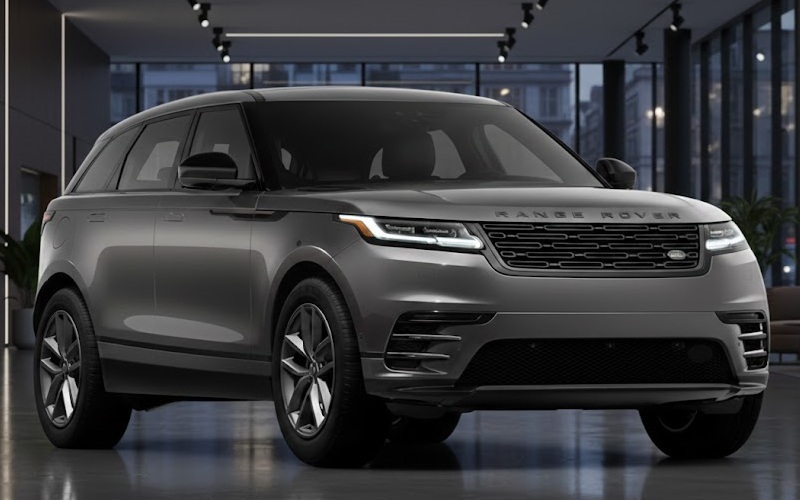
Safety features fall into two main categories: active and passive systems. Active safety systems help prevent accidents by warning the driver or automatically intervening when needed. Passive safety systems reduce injury during a collision by using structural reinforcement and occupant protection technologies.
The Range Rover Velar includes a suite of standard safety systems that integrate cameras, radar sensors, and control modules. These systems work together to improve awareness, maintain vehicle stability, and enhance occupant protection. Understanding how these systems function requires examining their components and their interactions in real time.
2026 Range Rover Velar Standard Safety Systems
The safety systems in the Range Rover Velar provide continuous monitoring and support for both driver and passengers.
Standard systems typically include:
Forward collision warning
Automatic emergency braking
Lane departure warning and lane keeping assist
Blind spot monitoring
Rear traffic monitoring
Adaptive stability control
Traction control system
Airbag system
Rear-view camera
These systems rely on a combination of sensors, cameras, and electronic control units to detect potential risks and respond appropriately.
Forward Collision Warning
Sensor Operation
Forward collision warning systems use forward-facing cameras and, in some configurations, radar sensors to monitor the road ahead.
The system continuously measures the distance and relative speed between the Velar and objects in front of it.
Warning Mechanism
If the system detects that the vehicle is approaching another object too quickly, it provides visual and audible alerts.
These alerts are intended to prompt the driver to take corrective action, such as braking or steering.
Automatic Emergency Braking
System Function
Automatic emergency braking works in conjunction with forward collision warning. If the system determines that a collision is likely and the driver does not respond, it can automatically apply the brakes.
Braking Control
The system uses electronic brake control to apply the appropriate amount of braking force.
This controlled braking helps reduce the severity of a collision or prevent it entirely.
Lane Departure Warning and Lane Keeping Assist
Lane Detection
Lane detection systems use cameras to identify lane markings on the road surface.
The system monitors the vehicle’s position within its lane and detects unintentional drifting.
Steering Assistance
Lane departure warning alerts the driver when the vehicle moves out of its lane without signalling.
Lane keeping assist can apply small steering inputs to guide the vehicle back toward the center of the lane.
These corrections are subtle and designed to support driver control rather than replace it.
Blind Spot Monitoring
Detection System
Blind spot monitoring uses sensors located near the rear of the vehicle to detect objects in adjacent lanes.
These sensors monitor areas that are not easily visible through mirrors.
Driver Alerts
If another vehicle is detected in the blind spot, the system provides a visual alert, typically in the side mirror.
This helps the driver make safer lane changes.
Rear Traffic Monitoring
Cross-Traffic Detection
Rear traffic monitoring assists when reversing by detecting vehicles approaching from the sides.
Sensors scan the area behind the vehicle and identify moving objects.
Alert System
If cross traffic is detected, the system provides warnings to the driver.
This feature improves safety when backing out of parking spaces or driveways.
Electronic Stability Control
System Monitoring
Electronic stability control monitors vehicle motion using sensors that track:
Steering angle
Wheel speed
Lateral acceleration
Yaw rate
These inputs allow the system to determine whether the vehicle is following the intended path.
Corrective Actions
If the system detects a loss of control, it can apply braking to individual wheels and adjust engine power.
These actions help maintain stability and prevent skidding.
Traction Control System
Slip Detection
The traction control system monitors wheel speed to detect when one or more wheels lose traction.
This can occur during acceleration on slippery surfaces such as snow or wet roads.
Torque Management
To restore traction, the system can reduce engine power or apply braking to the slipping wheel.
This ensures that torque is directed to the wheels with better grip.
Rear-View Camera
Camera Functionality
The rear-view camera provides a live image of the area behind the vehicle when reversing.
The camera is mounted at the rear and transmits video to a display inside the vehicle.
Visual Assistance
Guidelines displayed on the screen help the driver judge distances and alignment.
This improves visibility and reduces the risk of collisions when reversing.
Airbag System
Airbag Placement
The Range Rover Velar includes multiple airbags positioned throughout the cabin.
These typically include:
Front airbags
Side-impact airbags
Curtain airbags
Each airbag is designed to protect against specific types of collisions.
Deployment Mechanism
Sensors detect rapid deceleration or impact forces. When certain thresholds are reached, the airbags deploy.
The system controls deployment timing and inflation rate to maximize occupant protection.
Structural Safety Design
Reinforced Body Structure
The vehicle’s structure is designed to absorb and distribute impact forces.
High-strength materials are used in key areas to maintain the integrity of the passenger compartment.
Crumple Zones
Crumple zones are engineered to deform during a collision, absorbing energy and reducing the force transmitted to occupants.
These zones help minimize injury by managing the distribution of impact forces.
Integrated Safety System Operation
System Coordination
The safety systems in the Velar are interconnected. For example, forward collision warning and automatic emergency braking share sensor data.
Similarly, stability control and traction control systems work together to maintain vehicle control.
Real-Time Processing
Electronic control units process data continuously and make rapid adjustments when necessary.
This integration allows the systems to respond quickly to changing driving conditions.
2026 Range Rover Velar Safety Technologies
The standard safety systems in the Range Rover Velar combine multiple technologies to improve both accident prevention and occupant protection.
Key technologies include:
Camera-based monitoring systems
Radar and proximity sensors
Electronic braking and stability control
Airbag deployment systems
Reinforced structural design
These systems work together to create a comprehensive safety environment for both driver and passengers.
2026 Ranger Rover Velar FAQ
What safety systems are standard in the 2026 Range Rover Velar?
The vehicle includes systems such as forward collision warning, automatic emergency braking, lane-keeping assist, blind-spot monitoring, stability control, and multiple airbags.
How does automatic emergency braking work?
The system detects potential collisions using sensors and automatically applies the brakes if the driver does not respond in time.
What is the purpose of blind spot monitoring?
Blind spot monitoring detects vehicles in blind spots and provides alerts to help prevent unsafe lane changes.
How does electronic stability control improve safety?
It monitors vehicle motion and applies the brakes or adjusts engine power to help maintain control in challenging driving conditions.
What role do airbags play in vehicle safety?
Airbags deploy during a collision to cushion occupants and reduce the risk of injury by absorbing impact forces.
*Disclaimer: Content contained in this post is for informational purposes only and may include features and options from US or internacional models. Please contact the dealership for more information or to confirm vehicle, feature availability.*


