
2026 Velar: How Does the Digital Key Sharing Feature Work?
If equipped, the Velar offers Digital Key functionality that allows authorized users to access and operate the vehicle using a compatible smartphone instead of a traditional physical key fob. The Digital Key Sharing feature extends this capability by enabling the primary vehicle owner to securely grant, modify, or revoke vehicle access permissions for additional users through approved digital platforms and vehicle connectivity systems.
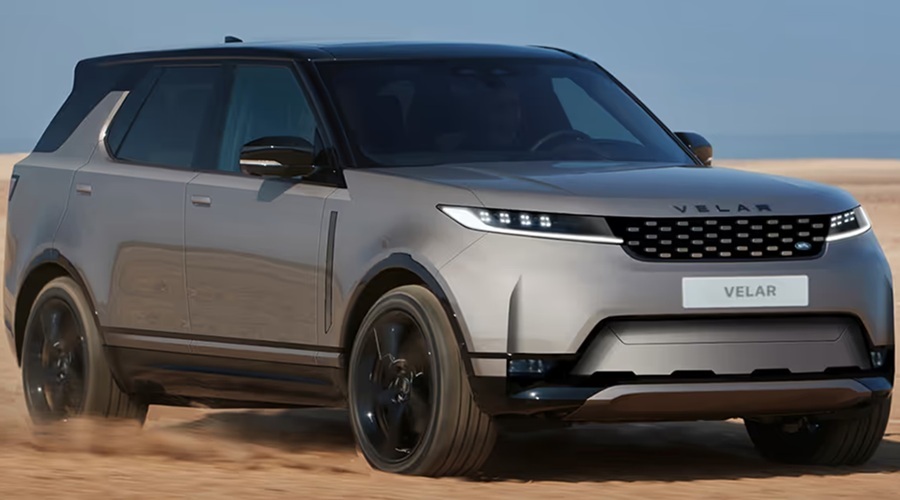
The system uses encrypted digital authentication, secure device pairing, user account verification, and vehicle communication protocols to confirm that an authorized smartphone is permitted to unlock and start the vehicle. Depending on equipment configuration and software availability, Digital Key Sharing may allow temporary or permanent access permissions while maintaining control through the primary owner's account.
Unlike conventional key fobs that rely on a dedicated physical transmitter, Digital Key technology uses smartphone hardware, secure authentication credentials, and cloud-connected account management systems to create a virtual vehicle key.
Because Digital Key availability can vary by market, trim level, software version, smartphone compatibility, and optional equipment, the feature is generally described as available only on properly equipped vehicles.
2026 Range Rover Velar Technical Specifications
The Digital Key Sharing system combines vehicle electronics, mobile device technologies, and cloud-based account management services.
Digital Key
A Digital Key is an encrypted electronic credential stored on a compatible smartphone that allows vehicle access and operation.
The Digital Key performs functions traditionally handled by a physical key fob, including:
Vehicle unlocking
Vehicle locking
Vehicle authorization
Driver recognition
The credential is securely stored within protected areas of the smartphone operating system.
Smartphone Pairing
Smartphone pairing is the process of registering a compatible mobile device with the vehicle. The pairing procedure establishes a trusted relationship between the vehicle and the smartphone.
During setup, the system typically verifies:
User identity
Vehicle ownership authorization
Device compatibility
Security credentials
Once pairing is completed successfully, the smartphone can function as an authorized digital access device.
Digital Authentication
Digital authentication is the process of verifying that a user and device are authorized to access the vehicle.
Authentication may involve several security layers, including:
Device credentials
Encrypted security certificates
User account validation
Biometric smartphone security
The authentication process occurs before the vehicle grants access or starting authorization.
Secure Access Permissions
Secure access permissions define what actions a digital key holder is allowed to perform.
The primary owner may be able to assign permissions that control:
Vehicle access
Vehicle starting capability
Duration of authorization
User management privileges
Permission controls are a key component of Digital Key Sharing functionality.
User Profiles
User profiles are individualized vehicle settings associated with specific drivers. When a recognized Digital Key user enters the Velar, the system may automatically apply profile-specific settings.
These settings can include:
Seat positions
Mirror positions
Climate preferences
Infotainment preferences
Driver assistance preferences
The association between Digital Keys and user profiles allows the vehicle to personalize the driving environment automatically.
Key Sharing Controls
Key sharing controls are management tools that allow authorized owners to distribute or revoke digital vehicle access. The owner typically maintains administrative control over all shared access credentials.
Key management functions may include:
Adding users
Removing users
Limiting access duration
Monitoring authorization status
These controls help maintain security while allowing convenient access for multiple drivers.
Remote Vehicle Access
Remote vehicle access refers to vehicle functions that can be performed without physical proximity to the vehicle.
Depending on equipment configuration and connected services availability, remote functions may include:
Locking
Unlocking
Vehicle status monitoring
Access authorization management
Remote access capabilities are generally integrated with the vehicle's connectivity ecosystem.
How Digital Key Technology Differs from Traditional Key Fobs
Although both technologies perform similar functions, they operate differently.
Traditional Key Fob Operation
A traditional key fob is a dedicated radio-frequency transmitter. The fob communicates directly with the vehicle using embedded hardware specifically designed for vehicle access.
Characteristics include:
Dedicated device
Fixed physical hardware
Localized communication
Battery-powered operation
Digital Key Operation
A Digital Key relies on smartphone hardware and secure software infrastructure.
Characteristics include:
Smartphone-based credentials
Encrypted authentication
User account integration
Remote management capabilities
Digital sharing functionality
The ability to electronically share access permissions is one of the most significant differences between Digital Keys and conventional key fobs.
Driver Experience
The Digital Key Sharing feature is designed to simplify vehicle access management while maintaining security standards.
Initial Setup
The process typically begins with vehicle owner registration and smartphone pairing.
The primary user establishes:
Ownership credentials
Vehicle association
Device authentication
Security verification
Once configured, the smartphone becomes an authorized access device.
Daily Vehicle Access
When approaching the Velar, the system evaluates whether an authorized Digital Key is present.
If authentication requirements are satisfied, the vehicle may permit:
Door unlocking
Vehicle entry
Start authorization
The exact sequence depends on vehicle configuration and system settings.
Sharing Access With Other Users
One of the primary advantages of Digital Key technology is controlled access sharing. The primary owner may authorize additional users through the Digital Key management interface.
Examples include:
Family members
Household drivers
Temporary users
Authorized operators
Access can generally be managed without physically exchanging a key.
Managing User Profiles
The Velar profile management system can recognize individual users associated with specific Digital Keys. When a user enters the vehicle, stored preferences may be applied automatically. This allows multiple drivers to use the same vehicle while maintaining personalized settings.
Remote Authorization Management
Digital Key systems often allow owners to manage access permissions remotely.
Potential functions include:
Reviewing active users
Revoking access
Granting new permissions
Updating authorization settings
These capabilities help maintain control over vehicle access.
Security Protections
Security is a critical component of Digital Key functionality.
Encrypted Credentials
The system uses encrypted digital credentials rather than transmitting simple access codes. Encryption helps protect authentication information from unauthorized interception.
Device Authentication
The smartphone itself becomes part of the security framework.
Access may require:
Device authentication
User authentication
Account verification
Multiple layers of validation help reduce the risk of unauthorized access.
Credential Revocation
One advantage of Digital Key technology is the ability to revoke credentials electronically. If a device is lost or access permissions change, authorization can typically be removed without replacing physical hardware.
User Access Controls
Administrative users maintain control over authorization settings.
This allows the vehicle owner to determine:
Who has access
What permissions are granted
How long access remains active
Vehicle Security Monitoring
The vehicle continuously monitors authentication requests and credential status. The system may reject suspicious or invalid access attempts.
Connectivity Requirements
Digital Key operation depends on several technology components working together.
These may include:
Compatible smartphones
Vehicle software support
Wireless communication systems
User account authentication
Connected vehicle services
Availability can vary depending on market requirements, software updates, and supported mobile operating systems. The vehicle's communication architecture must remain synchronized with the user's account and device credentials.
Feature Limitations
Digital Key Sharing systems have operational limitations that owners should understand.
Smartphone Compatibility
Not all smartphones support Digital Key functionality.
Compatibility requirements may vary according to:
Operating system version
Hardware specifications
Security architecture
Battery Dependence
Digital Key operation depends on smartphone functionality. A device with a depleted battery may have limited access capabilities depending on system design.
Connectivity Requirements
Certain account management functions may require active network connectivity. Remote sharing features may not be available when communication requirements cannot be met.
Software Dependencies
Digital Key functionality may depend on software compatibility between:
Vehicle systems
Smartphone operating systems
Connected services platforms
Market Availability
Digital Key Sharing availability may differ according to regional regulations, equipment packages, and software support.
Service departments such as Land Rover Richmond may verify system eligibility and software status when evaluating Digital Key functionality on a specific vehicle.
2026 Velar FAQ
1. What is the Digital Key Sharing feature on the 2026 Velar?
It is a system that allows an authorized owner to grant vehicle access permissions to other users through compatible smartphones.
2. How does a Digital Key differ from a traditional key fob?
A Digital Key uses encrypted smartphone-based credentials and digital authentication rather than a dedicated physical transmitter.
3. Can multiple users have access to the same Velar?
Yes. If equipped and supported, the Digital Key Sharing system can authorize multiple users while maintaining owner-controlled permissions.
4. What happens if a shared user no longer needs access?
The vehicle owner can typically revoke that user's authorization through the Digital Key management system.
5. Does the Digital Key system require a compatible smartphone?
Yes. Operation depends on smartphone compatibility, supported software, and successful device authentication.
*Disclaimer: Content contained in this post is for informational purposes only and may include features and options from US or internacional models. Please contact the dealership for more information or to confirm vehicle, feature availability.*


