
Can You Install a Lift Kit on a Land Rover Defender SUV?
Yes, you can install a lift kit on a Land Rover Defender, but the right approach depends heavily on the suspension configuration and how much extra ride height you want. This question is especially relevant if you want more clearance for larger tires or increased ground clearance for off-road driving. The Defender already has systems designed for varying terrain, and some Canadian-market versions use electronic air suspension with Adaptive Dynamics, while others use coil suspension. That means a lift is not simply a matter of adding spacers and assuming the vehicle will behave the same way afterward.
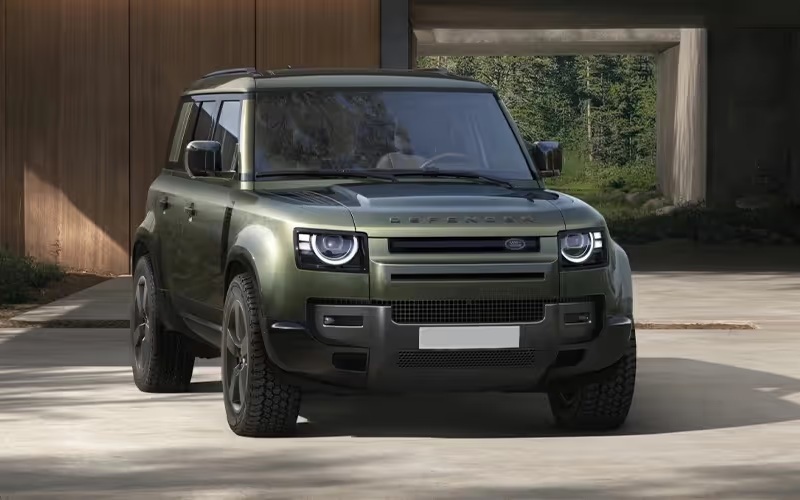
Can You Lift a Land Rover Defender?
Yes. You can modify a Land Rover Defender with a lift kit, but the kit must match the specific suspension system. This distinction is important because this SUV is available in configurations with different suspension hardware. Land Rover has both electronic air suspension and coil suspension, depending on the model and configuration.
Manufacturers must design an aftermarket lift specifically for the suspension installed on the vehicle. A kit made for a coil-sprung model may not work with an air-suspension model.
Why Install a Lift Kit?
There are several reasons a Defender owner might consider additional ride height. The most straightforward is increased ground clearance. More clearance between the underside of the vehicle and the terrain can help when driving over rocks, ruts, uneven trails, or other obstacles.
A lift can also create additional space around the wheel and tire area, potentially allowing the owner to consider a larger tire. This is relevant to the type of modification shown in the forum discussion, where a lift was being considered specifically to accommodate larger tires.
However, increasing tire size and increasing ride height are separate modifications. A lift does not automatically make every larger tire compatible with the Defender.
What About a Defender With Air Suspension?
The Canadian-market Defender can use Electronic Air Suspension with Adaptive Dynamics. Air suspension already allows the vehicle to change its ride height electronically. Land Rover also uses the suspension as part of the terrain-management systems.
Terrain Response 2 can adjust transmission, suspension and traction settings according to the selected driving mode. Because the suspension is electronically controlled, installing a mechanical lift component can have implications beyond simply raising the vehicle.
When modifying the vehicle, you need to consider the suspension's normal operating range, ride-height sensors, and electronic control strategy. For that reason, an air-suspension Defender should use a lift solution specifically developed for that configuration.
What About a Coil-Sprung Defender?
A coil-sprung Defender starts from a different point. A conventional suspension lift can therefore be approached differently, but the same basic principle applies: the components need to be designed for the exact suspension and model configuration.
The amount of lift also matters. A modest increase in ride height involves different considerations from a substantially taller setup. As ride height changes, suspension geometry and wheel alignment can change as well. That means you shouldn't evaluate the installation solely by asking whether the parts physically fit.
Can a Lift Kit Allow Larger Tires?
One of the main reasons owners lift a Defender is to create additional clearance for larger tires.
However, there are several measurements that you need to consider:
Overall tire diameter
Tire width
Wheel diameter
Wheel offset
Inner clearance
Fender clearance
Suspension clearance
Steering clearance
A larger tire can contact parts of the vehicle even when the Defender is sitting still. The suspension moves through a range of positions while driving, and steering changes the relationship between the tire and surrounding components. Consequently, a lift kit should not be treated as a guarantee that a particular tire size will fit.
Does a Lift Change the Defender Suspension Geometry?
Yes. Raising a vehicle changes the position of suspension components relative to the chassis. The amount of change depends on the lift type and size.
After installation, check wheel alignment because suspension geometry can change as ride height changes. This is especially important if you're lifting the Defender for larger tires. A properly selected tire and wheel combination still needs to maintain appropriate clearance throughout the suspension's operating range.
The goal should be to achieve the desired additional clearance without creating unintended changes to how the suspension operates.
What Should You Check Before Installing a Lift?
Before selecting a kit, establish exactly which Defender you have.
1. Identify the suspension type
Determine whether your model has air suspension or coil suspension. This is one of the most important details when choosing a lift kit because installation requirements differ.
2. Decide how much lift you actually need
A lift should be selected based on its intended purpose. If the objective is simply additional ground clearance, a modest lift may accomplish the goal. If the objective is to fit substantially larger tires, consider the tire dimensions at the same time.
3. Confirm the wheel and tire combination
Do not select the lift first and assume the tire will fit afterward. Check the complete combination of tire diameter, width, wheel size and offset.
4. Check suspension and steering clearance
The tire needs sufficient space throughout the Defender suspension and steering movement. Static clearance alone doesn't provide the full picture.
5. Verify compatibility with electronic systems
On an air-suspension Defender, the lift solution needs to account for the electronic suspension system and ride-height control. This is an area where a Defender-specific solution is preferable to a generic lift component.
Should a Lift Kit Be Professionally Installed?
For a Defender with electronically controlled suspension, professional installation is a sensible approach. The reason isn't just the mechanical installation. The suspension system interacts with electronic controls and vehicle-height information.
The Land Rover Defender is designed around integrated chassis systems, including suspension, Terrain Response and traction-control functions. A qualified installer can verify the physical installation, suspension operation and alignment afterward. That also provides an opportunity to confirm that the selected wheel and tire combination has adequate clearance.
What About Land Rover Accessories?
Land Rover offers dedicated Defender accessory packages and accessories through its Canadian website, including options intended for different types of use. However, an accessory package should not automatically be interpreted as a suspension lift.
If the goal is specifically to increase ride height, the owner should confirm whether the desired modification is an actual suspension lift and whether it is compatible with the specific Defender configuration.
What Should You Expect After a Lift?
A properly selected lift changes the ride height and may provide additional ground clearance. If you also install larger tires, the overall appearance and clearance can change further. Driving characteristics can also change depending on the amount of lift, tire size, wheel configuration, and suspension setup.
After installation, it is worth checking:
Wheel alignment
Tire clearance
Steering clearance
Suspension movement
Ride-height operation on air-suspension models
Electronic warnings or unusual system behaviour
If the Defender uses electronic air suspension, check the suspension through its normal operating positions to ensure the modification doesn't interfere with the system.
Land Rover Defender: Ride in Style
Yes, you can install a lift kit on a Land Rover Defender. The key question isn't whether a lift is possible, but which lift suits the suspension and intended use.
The Defender is available with both air and coil suspension configurations, so the correct modification depends on the vehicle. If the objective is to fit larger tires, consider the lift alongside the complete wheel and tire combination. Tire diameter, width, wheel offset and clearance all matter. For an air-suspension Defender in particular, the lift solution should be compatible with the vehicle's electronic suspension and ride-height systems.
In short, you can lift a Defender, but choosing the right kit means considering the specific suspension configuration, desired ride height, and intended tire size rather than treating every Defender as mechanically identical.
*Disclaimer: Content contained in this post is for informational purposes only and may include features and options from US or internacional models. Please contact the dealership for more information or to confirm vehicle, feature availability.*


